
Florence Scovel Shinn
1871 — 1940
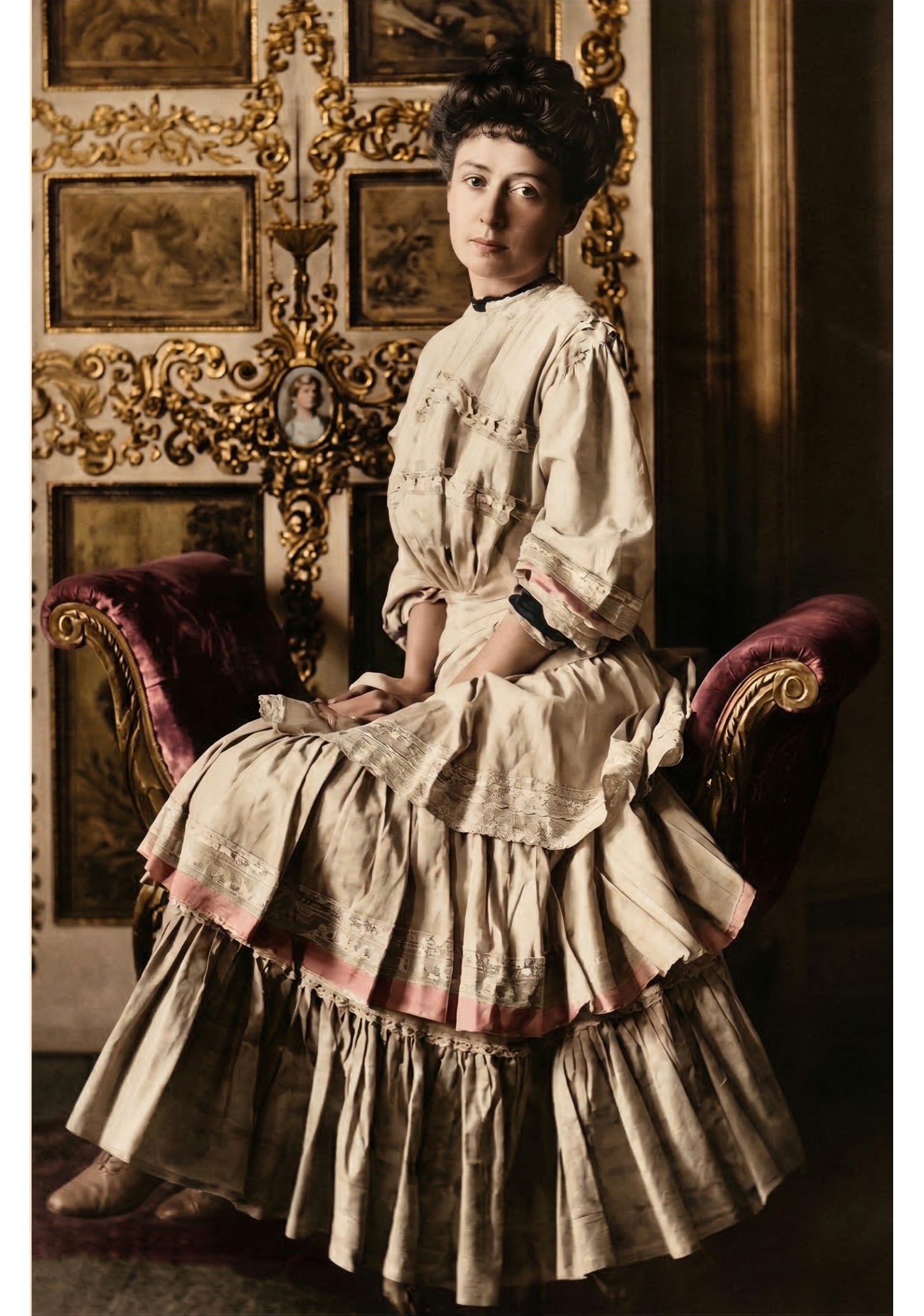
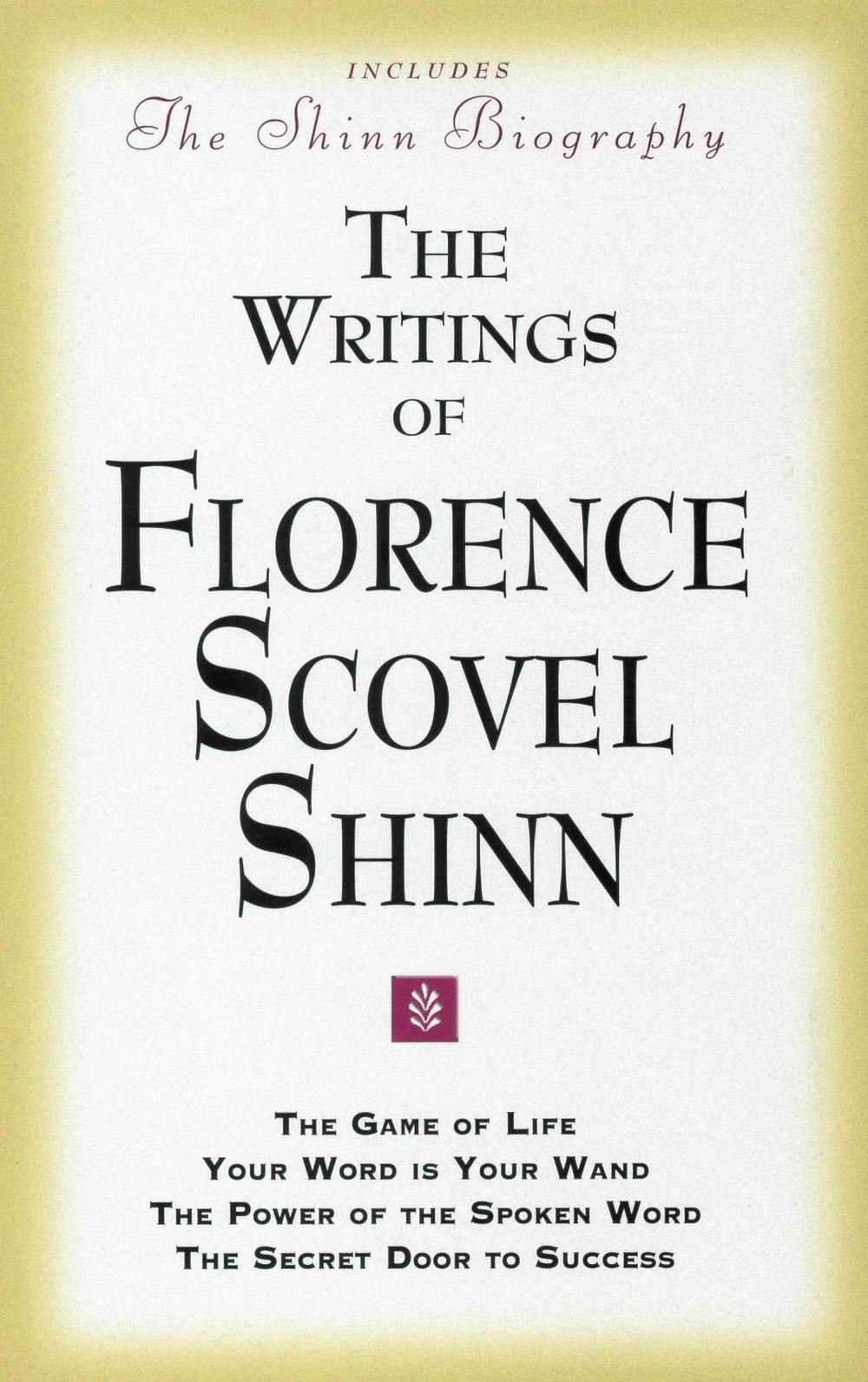
Florence Scovel Shinn (1871–1940) was the wise, witty foremother of the modern affirmation movement — the Greenwich Village illustrator who, in her middle years, became one of the most beloved spiritual teachers America has produced, and whose 1925 classic The Game of Life and How to Play It still changes lives a century on. Born in Camden, New Jersey, into distinguished stock — her great-great-grandfather Francis Hopkinson signed the Declaration of Independence — Florence Scovel trained at the Pennsylvania Academy of the Fine Arts, where she met the painter Everett Shinn, soon to be famous in the Ashcan School. Married in 1898, they settled near Washington Square in New York, where Florence built a genuine career of her own: illustrating for Harper's and beloved novels like Mrs. Wiggs of the Cabbage Patch, and earning election to the Society of Illustrators in 1903 — nineteen years before the organisation admitted women as full members. It was after her 1912 divorce that her deeper vocation emerged. Immersed in the New Thought current flowing from Phineas Quimby and Emma Curtis Hopkins, she became a lecturer, metaphysical counselor, and healer in New York — and when no publisher would take her little book of spiritual law, she published it herself. The Game of Life and How to Play It proposed, in plain and sparkling prose, that life is not a battle but a game — a game of boomerangs, in which "our thoughts, deeds and words return to us sooner or later with astounding accuracy" — and taught readers to play it through faith, intuition, and above all the spoken word. Her second book distilled the method into its immortal title: Your Word Is Your Wand. Rich with real-life stories of students demonstrating prosperity, health, and happiness — told with a humour rare in metaphysical writing — her books spread purely by word of mouth, and drew praise from contemporaries like Emmet Fox, who saluted her uncanny ability to make spiritual law simple. Shinn taught in New York until her death in October 1940, weeks after publishing The Secret Door to Success. Her students gathered her notes into The Power of the Spoken Word, and — in a twist worthy of her own anecdotes — a lost manuscript, The Magic Path of Intuition, surfaced decades later and was published by Hay House, the company founded by Louise Hay, who always named Shinn as the teacher whose affirmations first lit her way. That is her true monument: the entire modern lineage of affirmation — from Hay's mirror work to today's manifestation renaissance — runs back to the illustrator from Camden who told her students, with a knowing smile, that the invisible forces are ever working for us, and that we are always "pulling the strings" ourselves, whether we know it or not.